Gillian Anderson at the 2013 San Diego Comic Con, the same year she began starring in “The Fall,” a feminist take on the British mystery genre.
Prime Suspect and Beyond
If you love crime TV genre and British shows, you know there are plenty of dedicated, strong women characters who make up part of the crime solving teams. For those who have yet to see women take the helm, here is a short list of some of the best ones to watch.
Some I have discovered on Netflix, some on PBS, and others through Amazon. In my present addiction to British style detective series, I have found the women characters to be some of the most fascinating. There is a wide range of subject matter, and the range is from gritty to humorous, but the entertainment value is always top notch.
9 Great British Female Detective Series
Vera (2011–present)
Prime Suspect (1991–2006)
Broadchurch (2013–17)
The Fall (2013–16)
The Bletchley Circle (2012–14)
Murder in Suburbia (2004–05)
Happy Valley (2014–16, 2023)
Agatha Christie’s Marple (2004–13)
Miss Fisher’s Murder Mysteries (2012–15)
1. Vera (2011–present)
Starring: Brenda Blethyn, Jon Morrison, David Leon, Riley Jones
Not your usual heroine, DCI Vera Stanhope is a middle aged, rather disheveled career policewoman. She is something like your mum, and plays that maternal side to get to the bottom of even the most difficult cases. It doesn’t hurt at all that DS Joe Ashworth, her sergeant, is so dishy.
The show has gained an international audience, which is testimony to the staying power of a heroine who is mature, matronly, and no-nonsense holding the top billing of the competitive TV Crime drama genre.
You’ve got to love the British for giving us so many great women crime solvers of quite ordinary looks, and extraordinary brains. buy the DVDs on Amazon:Verahas become my top favorite British detective show.
After a long run, this series has come to an end, but there are plenty of past episodes to enjoy.
2. Prime Suspect (1991–2006)
Starring: Helen Mirren, John Benfield, Tom Bell, Jack Ellis
Helen Mirren, of course, brings sex appeal and glamour to any role she plays, but this one has an edginess and grittiness that gives us the flawed hero realism of our favorite crime shows. Fighting her way up the ladder in a predominately male dominated time and career has left its marks, but her intelligence and focus gives this character a believable persona.
Helen Mirren as Detective Superintendant Jane Tennison is believable. You know she has paid her dues and has the ability to win her place in the macho world of crime and detectives. I think Prime Suspect is one of my all time top picks for great TV, especially in this genre.
Prime Suspect: Tennison
For those of us who became fans of the gritty portrayal of Jane Tennison, Prime Suspect: Tennison held a lot of promise during its six-episode run in the spring of 2017. The show was a prequel, telling us the back story of how the Mirren character became a strong leader, with Stefanie Martini playing the title role.
It was interesting as a longtime fan of Prime Suspect, but it lacked the spirit of the original. While the series did a great job reenacting the time period, the characters, including Jane, failed to connect with viewers. It was short-lived and probably only of interest to those who are curious.
3. Broadchurch (2013–17)
Starring: David Tennant, Olivia Colman, Jodie Whittaker, Andrew Buchan
You might be drawn, as I was at first, to watching a show with your favorite Dr. Who in the starring role, but this is a dark show with the focus on the development of Detective Sgt. Ellie Miller. At first passed over in what might have been her investigation, she grows into the driving force in finding the perpetrator of a child’s murder.
Not just the impact on the family, but upon an entire community is dramatically portrayed with spot-on acting and filming. The transformation of individuals, families, and town is sometimes grueling and gruesome, and sometimes redemptive and strong. It makes for a compelling story with many threads and entanglements.
This remote Dorset resort town may not have provided much opportunity for crime work, but Miller evolves as a person and as a detective within her tight knit community. The interaction between her and Detective Inspector Alec Hardy grows into a balanced respect and admiration, but not without its turns and pitfalls, all the while trying to find the truth about a most perplexing murder.
With two seasons of Broadchurch, one wishes for more Sgt. Ellie Miller and D.I. Alec Hardy crime solving exploits.
4. The Fall (2013–16)
Starring: Gillian Anderson, Jamie Dornan, Bronagh Waugh, John Lynch
Detective Superintendent Stella Gibson is a long way from Dana Scully. Tough and brittle in manner, she is drawn in clearly feminist terms. In fact, the show was named “The Most Feminist Show on Television” by Amy Sullivan of Time magazine.
With a truly creepy criminal, a set of missed cues allows him to murder and live his double life. All the while the police are trying to get their act together. Eventually Gibson gets her investigation team and plan together to close in.
Fraught with tension of harrowing scenes and missed opportunities, eventually Stella gets her man. She is not the most likable, but she is definitely effective. Be forewarned that there is plenty of “language” and sex in this show.
How Do You Like Your British Detectives?
Go ahead and answer in the comments!
5. The Bletchley Circle (2012–14)
Starring: Rachael Stirling, Julie Graham, Sophie Rundle, Anna Maxwell Martin
Women of different temperaments who proved to be a formidable team of decoders, later are reunited in an amateur group who use their skills in detective work. The backstory of their feelings of meaning and usefulness while working in the war effort, and their search for its replacement in their post war lives gives an added layer of plot to their efforts to catch a killer.
The story hinges strongly on the personalities and interactions of women who find strength in themselves and in each other. The struggles of women who have tasted meaningful work and are then expected to sublimate their talents and dreams into the lives of men. More a celebration of the individual women than the blatant feminist moralism that it might sound like, interest ranges from their codebreaking days to the good detective story at its heart.
I liked the period feeling that is carried throughout with costume, manner, and the general color palette. Surprising how using certain color, and filming technique instantly transports us into a time period. The women of Bletchley took on new challenges and put their talents together in San Francisco in a new series.
I am sorry to report I didn’t like it near as well as the original, but if you are fans of the first series you might overlook the comparison and enjoy this new version.
Starring: Caroline Catz, Lisa Faulkner, Jeremy Sheffield, Glen Davies
I always like actress Caroline Catz, who plays one of the leads, Inspector Kate Ashurst. In this one she plays the posh side of a customary formula of police partners from contrasting class backgrounds. Her partner Scribbins is working-class and saucy.
Interesting and fast moving, the criticism I would give this series is the lead actresses are a bit too frivolous and light hearted while going about their crime solving duties. It gives a feeling of smugness to the show.
But this is one of those detective series that doesn’t take itself very seriously, the very opposite of one like Prime Suspect. I’d compare it to Midsomer Murders, but more modern and urban. Lots of humor and a sense of fun are the earmarks of this set of mysteries.
7. Happy Valley (2014–16, 2023)
Starring: Sarah Lancashire, Siobhan Finneran, Shane Zaza, Charlie Murphy
Happy Valley is anything but, of course. This gritty police drama centers around policewoman Catherine Cawood as she seeks justice for her daughter, tries to pull her family together and struggles as a grandmother who must now raise her grandson.
Tough, and sometimes misunderstood, she garners respect and bulldogs it through some harrowing experiences. All the characters grab the imagination and attention of the viewer, Even Cawood’s sister, who is sometimes on and sometimes off her latest rehab is a fully fleshed out profile of a woman with both strengths and weaknesses.
The streets of the town which has seen better days, the inside workings of those whose job is to keep those streets safe, and the heartache of a strong woman who sometimes finds “keeping it together” a challenge gives this series its hook. I give this show top rating for those who love crime shows.
2023 Revival
A third and final season of Happy Valley aired in 2023, seven years after the conclusion of the second series. The six new episodes show Sergeant Cawood preparing for retirement while trying to have a relationship with her now-16-year-old grandson, Ryan.
According to the show’s executive producer, Will Johnston, “It definitely isn’t coming back—and again this is from Sally (Wainwright, the show’s creator) and Sarah (Lancashire) who completely and rightly feel that you can have too much of a good thing.”
8. Agatha Christie’s Marple (2004–13)
Starring: Geraldine McEwan, Julia McKenzie, Stephen Churchett, Greg Bennett
In this incarnation of the Marple Character, Geraldine McEwan plays a very chatty, spry Miss Marple. She is elderly, but with quite a bit of energy and lively curiosity. Agatha Christie was such a marvelous crafter of story that even though we know how the plot turns out, the power of the story and the beloved protagonists ensure great programs. We want to see the interplay of the characters and the display of human psychology.
Miss Marple
It is fun to see what different actresses have done with the stories, whether the more frail Hickson or this redoubtable rendition of why it is never a good idea to underestimate old ladies! If you are not familiar with the Agatha Christie stories or if you have not yet seen any of the televised series, it is time to become acquainted with them, starting with this series.
How About Those Aussies?
Too good to leave out, Miss Fisher Mysteries takes her place among the British shows. An Australian drama television series worth watching, with many similarities to British TV: great character development, intriguing plots, and attention to period style.
9. Miss Fisher’s Murder Mysteries (2012–15)
Starring: Essie Davis, Nathan Page, Hugo Johnstone-Burt, Ashleigh Cummings
From the Roaring Twenties comes a humorous, slightly risqué, leading lady. Miss Phryne Fisher hails from Australia; she isn’t British, per se, but close enough. Maybe that explains her crossover from humble beginnings to lady of wealth and leisure who has plenty of time to investigate all these mysteries while dressed to the nines!
Phryne has her own private detective career, and exemplifies the free wheeling “modern girl”, without the American speakeasies or mobsters that we often equate with those times. That makes her character represent today’s women, but allows her to retain some sense of unspoiled playfulness. Which is a part of the fiction, perhaps.
These are light, breezy episodes for the most part, although they occasionally touch on serious social issues. There is a certain amount of sexual tension between Fisher and her main contact in the police department, DI Jack Robinson. He is obviously smitten with her. Any sex in the show is alluded to, not portrayed.
Miss Fisher is a new take on TV’s rendition of female detectives, although those who love mystery fiction recognize these as grownup Nancy Drew stories, I think. Always a fun adventure in sleuthing with a bit of danger thrown in.
Related Reading
Great British Detective Shows (page coming)
I admit to watching a good deal of television. Mysteries are one of my favorite genres followed by sweeping epic and historical melodramas.
Here are some intriguing mystery shows featuring British detectives! | Source
Good Plots, Great Dialogue, Well Done
I’m an aficionado of British detective shows. I started watching them on PBS on Masterpiece Theater, but I soon devoured as many as possible on my Netflix and Amazon accounts.
If, like me, you are looking for good quality TV for entertainment and have a predilection for British shows, here is a list of those series I’ve completed (some I gladly re-watch from time to time).
What Makes British Crime TV So Great?
For me, it is a little like a Dickens novel: the character development and the involved plots.
Many of these shows have the added local flavor and terrific landscapes, but mostly it’s the story.
Lacking the slickness of American crime TV, the gritty feel of the filming, and the truly interesting personalities … along with the sheer imagination of their crimes and crime solvers, makes for great television entertainment.
Interrelated 3: The Inspector Morse, Inspector Lewis, and Endeavour Series
Inspector Morse
I have to start with these beloved shows because I think this is where I was first hooked. Top-notch acting, the feat of holding our credulity while basing so many murders within the venue of Oxford, and the ins and outs of class society all make for a great set of shows.And due to the inter-related stories, we don’t ever have to truly say goodbye to characters. I think you will become quite attached to them as they evolve and then, ultimately, loop back.
Inspector Morse
Stars: John Thaw, Kevin Whately, Colin Dexter, James Grout
A truly grouchy lead, offset by his affable partner, digs into the crimes, which are full of twists. Each episode holds us in tension and further develops the picture of the main characters and their backdrop.
Morse is a snob, but not without self-awareness. He is something of an underachiever in life, but one that knows his brilliance in his work is going to get the job done better than his “betters.” Cutting corners but suffering the consequences for it, he works right up to the bitter end of his life.
You sometimes wish for life to have treated him a little kinder. He worries about the situation until flashes of revelation come forward with just the piece that solves the puzzle.
Lewis is his partner who grows into the fine detective we see in the next generation of the stories.
Liberally interlaced with great classical music.
He transforms from an amiable bumbler to an astute and experienced detective who has worked hard for and deserves respect.
Inspector Lewis
Stars: Kevin Whately, Laurence Fox, Clare Holman, Rebecca Front
Keven Whately is now mature in his life and career. His partner is a man who might have been how we might have imagined Morse in his youth. Pairing Lewis with Sergeant James Hathaway continues the contrast of everyday man with ivory tower intellect.
They use their strengths to solve the crimes and buoy each other through their weaker times. It is very much a story of friendship as well as work bringing evildoers to justice.
Endeavour and Thursday
The Prequel Turned Sequel
The complicated persona of Inspector Morse inspires this look into his beginning. The mature man who shrouded his first name is portrayed in this foundation story to the earlier long-running series. A show that stands on its own, you don’t have to have seen the original “Morse,” but it creates a link that molds a more genial and intellectual look into the heart of an iconoclastic Inspector.
Endeavour Morse
Stars: Shaun Evans, Roger Allam, James Bradshaw, Anton Lesser
This is my favorite of the three so far. It is newer, so one can’t binge-watch, but I like the portrayal of Morse. He is kinder and gentler, and the angst is believable. Has less of the smugness evident in the original.
I believe you will really be captured by the struggles and triumphs of Endeavor, even though he never quite attains his secret love interest. Shaun Evans creates a truly believable Morse, although it is a bit of a stretch to see him become as grouchy and egotistical as the original Inspector Morse character.
The Inspector Lynley Mysteries
Stars: Nathaniel Parker, Sharon Small, Lesley Vickerage, Catherine Russell, Paul Hickey, Shaun Parkes
Detective Inspector Thomas Lynley gets a bit of needling for his upper-crust origins and manner, but this is a nice change for a “copper” show.
If there is any criticism of the series, it is that there are not enough episodes. The mix of actors and the filming and plots are all excellent.
All the components that make British TV enjoyable:
Interesting and engaging characters
Intriguing plots
Moody, romantic venue
Now coming to a close, this has been a great series, not in the least due to the match of Lynley with his complementary partner, Barbara Havers, who adds her salty, down-to-earth personality to his aristocratic one.
There are seven seasons to enjoy.
The Modern Sherlock
Stars: Benedict Cumberbatch, Martin Freeman, Una Stubbs, Rupert Graves
The fresh take makes this a “must-watch.” It has class, action, and wit going for it. You might think you know Sherlock and Watson, but I assure you you do not know them like this!
Who wouldn’t love a Sherlock who has lines like,
“I’m a high-functioning sociopath!”
I am always looking forward to the shows on PBS. You might be able to catch a full episode on their website.
Luther
Stars: Idris Elba, Warren Brown, Dermot Crowley, Michael Smiley
This was a dark horse (forgive me, I couldn’t resist this racially, in bad taste, play on words), but really, I didn’t expect this show to have the weirdness, and tension, along with great detective story plotting and grit that it did.
I loved it and wish I had access to more episodes. I would have liked to see it go into long running, but the talk is of a movie to further carry out one of the really great detective stories and characters.
This has great writing and story behind it, but wouldn’t be the brilliant show it is without the central actor Idris Elba.
I watched it on Netflix.
Wallander
Stars: Kenneth Branagh, Richard McCabe, Jeany Spark, Sarah Smart
Watch both this British version and the subtitled original Swedish one starring Krister Henriksson, Fredrik Gunnarsson, Mats Bergman, and Douglas Johansson. They are both the same stories and characters but with such different perspectives. I liked comparing the two for feeling but didn’t feel they were redundant in any way.
Wallander is dark and brooding in temperament but with a fascinating driven determination to ferret out his quarry. Disheveled with the complicated personal life that cops always seem to have, both shows have an edited color palette that conveys the mood and the beauty of the Scandinavian countryside setting.
Small bits of levity may be sprinkled in, but this is a serious detective show with plenty of building tension as the plot is unraveled.
This is another series with an edge, although a quiet one.
Tip For American Viewers
At times I am unfamiliar with the accent and found that using captions helps me follow fast action and dialog better.
TV series “Midsomer Murders” uses many locations in the south Chilterns for scenes in the fictional Midsomer County. licensed for reuse under Creative Commons Licence.
Midsomer Murders
Stars: John Nettles, Jane Wymark, Barry Jackson, Jason Hughes
There are an awful lot of murders in this seemingly bucolic English village area. But the unflappable DCI Barnaby manages to bring all to a conclusion.
Flanked by his Sergeant (Ben Jones is a favorite) and complemented by his wife, who seems fairly clueless and then quite astute in turns, this is a somewhat homely drama/comedy that definitely grows on you.
Watching the first incarnation of the show leaves the viewer feeling that despite evildoers, all ends up quite right in the world.
The New Midsomer Murders
Later, a switch of characters (Barnaby’s cousin, also a DCI) takes up the gauntlet of crime solving. His wife has a career, and they have a furbaby instead of a daughter. The plots take on an edgier and more modern take, as well.
Good acting, dialog, and new twists and turns in each episode.
Fun Fact
The theme song is played by a weird little instrument called a theremin.
Martin Shaw as Inspector George Gently | Source: Dana Sibera on Flickr
Inspector George Gently
Stars: Martin Shaw, Lee Ingleby, Simon Hubbard, Michael Wilson-Dukes
Yes, you might find the wardrobe a bit more retro than usual and the main character a little too sanctimonious, but this is an entertaining series that winds its way through the North Country while old-fashioned Gently methodically fights crime.
He and his fashion-conscious partner Bacchus address social issues along with their sleuthing.
A bit dated, but a good watch, anyhow.
Father Brown
Father Brown (2013 TV series)
Stars: Mark Williams, Sorcha Cusack, Nancy Carroll
This is the series that began in 2013, with stories based on the writing of G.K. Chesterton. Comedic Priest with heartwarming humane compassion for people’s foibles and downfalls is driven by an insatiable curiosity to help solve all the local murders.
Supported by his band of locals, he only occasionally moralizes while bringing the Inspector up to speed with his unfailing nose for facts.
This is one of those shows that likes to have a bit of fun, and there is a certain lightheartedness about it. But it does have its more somber moments, and the tight-knit comradeship between the main characters is a part of the charm.
Likable characters, interesting plot turns, and the beautiful English countryside and village life are all draws for this series.
Fun Fact:
There is also another series (the original) by this name that aired in 1974. It has a very different flavor for the character and the plots.
Which is your favorite of all?
Answer in the comments
DCI Banks
Stephen Tompkinson in “DCI Banks” (2010)
Stars: Stephen Tompkinson, Jack Deam, Andrea LoweOne of the more macho of the very masculine set of players that people many detective shows. His spare manner and square jaw hold the show and contrast with his partners, one of which is an uptight and somewhat OCD Caroline Catz.
Like many of these shows, there is some social commentary addressing issues of today. A modern detective story well grounded in contemporary times.
Cracker
Stars: Robbie Coltrane, Geraldine Somerville, Kieran O’Brien, Barbara Flynn
Here is another one I almost missed because I wasn’t drawn by the name or descriptions. Don’t you make that mistake!
A combo of unique and stereotypical character flaws and brilliance make up the character of this profiler. He “cracks” cases.
This show has a definite film noir vibe, cued in by the Jazzy soundtrack.
One of the disheveled types, the show and its main characters quickly become favorites. Robbie Coltrane was an unusual choice for this drama because his work was mainly in comedy, but that just sharpens how surprisingly good he is in this role.
Besides looking into the heads of criminals, there is a good deal of relationship inspection as Fitz (Robbie Coltrane) and his partner develop into more than friends and co-workers.
Don’t let this one pass you by … the series is not as well-known as some others, but it is highly entertaining. Coltrane proves to be superb in the role.
Grantchester
Stars: James Norton, Robson Green, Morven Christie, Tessa Peake-Jones
This sleuthing priest could not be more unlike “Father Brown” than if you outlined a list of characteristic antonyms.
Clergyman Sidney Chambers is a priest who works in tandem with a policeman, not antagonistically.
What the two clergymen do have in common is a soft spot for the frailty of man. Chambers tends to personally indulge in those frailties, himself, however. He drinks, smokes, and has some sexual adventures, mostly without apology or repentance.
Sidney is eminently likable, if not particularly priestlike.
What Makes It All Tick
The Grantchester production is more polished than the Father Brown series. With less of a “fast plot” formula than a long slow look at what makes people tick.
The episodes each address a crime to solve against the larger backdrop of the almost soap opera storyline of Reverend Sidney Chambers and his lost love.
It manages to stay free from sappiness and explores the growing friendship of the male protagonists as well as romantic and married love.
Historically set within the post-World War 2 era of the fifties.
Later in the series, the emphasis for the characters takes a decided turn. It becomes more caught up with social issues, which not every viewer will appreciate.
Find New Favorites?
Did you find some interesting shows to watch? Or were you reminded of some old favorites that bear watching again? Check your local PBS or subscription service for a chance to see the fine acting and well-crafted plots of the favorites listed here.
Many of the best TV in this genre is headed up by female leads. Discover some of the strong, independent British female crime busters.
Stay tuned, as they say.
Grandma Moses Naïve Painting – Inspiration for Hard Times
The success story of Grandma Moses painting holds so much guidance for today’s entrepreneurs. Her art became a lasting business.
Born on September 7, 1860 in the State of New York, a woman named Anna Mary Robertson Moses died in December 1961, at 101 years old. In between, the lady later affectionately known as “Grandma Moses” was to become one of America’s best known artists.
She started out her career quite simply, at the age of 78, to become a, now, highly regarded and successful painter.
…. it looked at bit like this at the time:
(Grandma) would sit on an old, battered swivel chair, perching on two large pillows. The Masonitepressboard, is a type of engineered wood on which she painted would lie flat on an old kitchen table before her. There was no easel. Crowding her in her “studio” were an electric washer and dryer that had overflowed from the kitchen.
What follows is a focus on her traits and how that contributed to her phenomenal success in a full, long, and fruitful life.
Bringing Simple Homespun Life into View
A Country Wedding – Grandma Moses painting
A Story of Yankee Know-how
Long before she become an art sensation, Anna Mary Robertson Moses lived a life built of making a success out of challenges. She had that Yankee spirit of early America that we think of as “can-do”.
Grandma Moses Art was Nostalgic
Her paintings were filled with the story of this part of America’s life that we all most love: simple pleasures, hard work, and a good dose of fun. Family and farm, the wide open spaces, and joy in the everyday things of life were her motifs. She was to folk art painting what Laura Ingalls Wilder was to children’s literature: a loving look back at a traditional and passing way of life, a personal history shared through appreciative eyes.
I learned a lot from Grandma Moses’ life, and she became one of my heroes. Besides the affection I have for the childlike, yet surprisingly telling paintings she produced, I was captured by her grit, no-nonsense approach to life, and optimism.
Her life holds some secrets of success for a person of any time or place. We can learn from her Yankee know-how.
What is Yankee Know-how?
It is setting your sights on a goal to accomplish, then setting about the hard work of getting the job done. Knowing how to use ingenuity to do a job better, while buckling down and applying elbow grease when necessary are also a part of the recipe. It is a mix of the right attitude and determined hard work. Probably best exemplified by the biographies of some of the people of American history and culture, like Grandma Moses. There is a certain amount of grit and tenacity involved as well.
How to succeed like Grandma Moses? Read on.
Success Can Be Learned – How to succeed like Grandma Moses
There is no magic bullet, but there are keys that people have found to be a pattern in achieving success. You might find some real help for your own solutions in an inspiring book about Grandma Moses.
“Taking in the Laundry” 1951 Anna Mary Robertson (Grandma) Moses.
“Taking in the Laundry” tells the kind of story that Anna Mary Robinson Moses (Grandma Moses) loved to tell. Old fashioned activities like hanging fresh washed laundry on a line are given drama when the threat of an impending storm, with wind bending the trees comes into the view. Childlike style, but expertly placed composition combine in the stories that Moses’ paintings tell. Her paintings create warm sentiments of home and a simpler time.These are a few of the reasons they are so loved, even today.
Grandma Moses Taking in The Laundry Art Prints Canvas Painting Decor 20x30inch An example of the activities of her past, that Anna Robinson Moses (Grandma Moses} loved to depict. The colors are reminders of a New England summer landscape and the childlike painting is quite detailed and expertly composed. A print for your own walls.
Her early life was typical for her time. America was still in its earlier years, but was in the crisis of the Civil War during her childhood. Children worked early and were much needed labor on family farms.
The Yankee Attitude Forged
She was born Anna Mary Robertson, in 1860. The nation was about to enter the crucible of the Civil War when Anna Mary entered the world of “green meadows and wild woods on a farm in Washington County” in New York. She was the oldest girl, third-born, in a large Scots-Irish family of ten children. And while those days were commonly filled with many chores, she remembered them as happy and carefree. Being industrious and frugal were highly regarded qualities and set the pattern of her life.
She had the normal bit of schooling for girls of her age in that time, but soon was “hired out” to earn her living as household help at age twelve.Although the workload was one we would consider heavy, she felt she was treated kindly, as one of the family. At age 26 Anna Mary had moved on to another position where she met the “hired man”, Thomas Salmon Moses. They married and decided to move to the South, to Virginia, where they took up farming.
A Move to Shenandoah Valley
It was in Virginia that Grandma Moses put her skills to work alongside her husband, and cleverly started her own business making butter that exceeded anything else available thereabouts. She was successful enough to finance two cows, and had the idea to brand her own butter with a butter mold her husband carved for her. That was followed by jams and jellies for sale, before deciding to move back to their New York beginnings.
Homesick for New York
Taking up dairy farming, it was there that Grandma Moses engaged in all the routines and pastimes that would later fill her pictures. She had become a successful farm wife, capable of running her own businesses engined by her skills and talent.
How She Painted
She liked to sit quietly and think …remember and imagine. “Then I’ll get an inspiration and start painting; then I’ll forget everything, everything except how things used to be and how to paint it …”
Life Before The Paintings
A farmer’s wife who kept busy and enjoyed making artistic pictures, in between many tasks and raising children.
Grandma Moses Embroidered Art
Always keeping busy with farm chores, housework, and raising her children, it was no different as she got older and was widowed. Yet her stories tell of good humored fun which embroidered her life. She took up making literally embroidered pictures, of little landscapes, until her sister suggested painting instead.
She approached painting with her same desire to keep busy and her career was born. It took only the interest of a traveler through the town of Hoosick Falls, where Grandma Moses had put her pictures on display in a store window. Thus began a career that became (an estimated) more than 1600 canvases of paintings. She started out selling her art creations for two and three dollars each (or three to five depending on who tells the story), but ended up being sold for tens of thousands.
A rare look at her needlework art
Grandma Moses, At Seventy, Begins As An Artist
Grandma Moses painting in the field
Grandma Moses was always self-taught and had a sense of what she thought were “pretty pictures”. Her style was just what the public wanted to see when her naïve, but colorful and narrative paintings were revealed along with the appealing backstory of a simple “farm wife’s” creativity. Old fashioned tasks of corn husking, maple sugaring-off for syrup, making quilts, and candle making were represented in her works and harked back to simpler times and to American virtues of diligent work in agricultural community.
Grandma Moses embodied the character of no-nonsense Yankee ingenuity, able to use “Scotch thrift” to make something out of nothing, and put the best face on the circumstances of life. She was also able to transfer those sentiments through her painting.
Her subject matter was of the life she had known, but many of her works (especially at first) borrowed from illustrations in books and Currier and Ives prints. These were used as inspiration, but her style and completed paintings were wholly her own. Often artists take elements from such diverse things as perspective, symbolic objects, or common scenes in everyday life for their compositions; it is how they put them together and their original style that sets an artist apart.
The Artist’s Inspiration
“Moses gathered her sources for the vignettes and figural groupings from popular media, such as magazine illustrations, greeting cards, and advertisements. She traced the contours of figures and buildings and incorporated them into her compositions, carefully saving the clippings for future use.” ~ American Art
Using oils, she usually painted on Masonite board. (My father used to use that material for projects when I was a child, it is a brown colored pressed wood board, not very thick with a shiny side and a rough corrugated one, it is stiff, but not as heavy or strong as a slab of wood.) She usually cut the boards to a size of 2×3 feet. She also made some small paintings on dried tree mushrooms, as well as a some on ceramic tile.
The Right Time For Folk Art
The Art World has trends and fads like other forms of culture. The Modernist movement in the Thirties and Forties of 20th Century America saw a parallel taste for simple Folk Art forms.
The nation hungered for memories of an earlier time.
Entrepreneurial Spirit
Her art became hugely popular, and found many commercial applications from greeting cards to fabrics.
The Riverdale Fabric Co., active from 1950 to 1967, was given permission to market drapery fabric designs with exact replicas of her paintings. Many enterprising people framed that fabric and made framed “wall art” from the fabrics.
Example of Grandma Moses painting interpreted in fabric of the 1950s
Products, especially fabrics were printed with the popular Grandma Moses landscapes.
Think About It
Grandma Moses paintings were “discovered” by Louis Caldor, an art collector on vacation from New York City. What would have happened if she had never had her paintings in that drugstore window?
Grandma Moses’ Secret Recipe For Success
Grandma Moses, “Winter in Vermont” Medium: Tempera paint and colored pencils
Art Supplies – to bring out your inner Grandma Moses
You might find as much enjoyment in creating pictures as Grandma did, and maybe uncover a talent! But you need some art supplies. Start by buying your brushes, then go on to get some canvas and paints. Once supplied, let your creativity loose!
Art Advantage Brush Set t Oil/Acrylic 24pc Buy this set of a wide variety of brushes and get started painting your own masterpieces. I like the different styles of bristles that help a painter to get the effect wanted from the paints. Experimenting with each one, with the help of youtube videos, is an easy way to improve technique quickly.
Whether pursuing your creative impulses or your career, taking tips from Grandma Moses’ life story could aid your own tale of success. Here is a list of things to consider for yourself.
A commemorative stamp was issued in her honor in 1969
A commemorative stamp was issued in her honor in 1969
Grandma Moses made the best of her opportunities and did not complain
She showed entrepreneurial spirit and grasped her opportunities to use her talents
She remained cheerful and showed gratefulness for those in her life
She was diligent, industrious, and frugal -lessons she learned early in life
She remained true to herself and her sense of what she liked and valued
She took pride in her work
Making Apple Butter -1958
Grandma Moses in the 21st Century – Learn more about the art of Grandma Moses
A fascinating look into the art of Grandma Moses with commentary on style and significance, with many illustrative color plates.
What sets apart a naive painting that is considered fine art from just any old painting someone might make? That is an interesting question. This book of commentary, plus examples of Grandma Moses’ paintings, provides an education. And answers that question!
Connect some of his insights to the driving forces in the art and entrepreneurship of Anna Mary Robertson Moses.
” …. many of us fear too much momentum. We look at a project launch or a job or another new commitment as something that might get out of control.
…
Deep down, this potential for an overwhelming response alerts the lizard brain and we hold back. We’re afraid of being part of something that feels like it might be too big for us.
Hint: it probably isn’t.”
-wisdom from Seth Godin
Yankee Character – Grit, Determination, and Thrift
Grit is a character trait that is behind a great deal of the American success stories. For those who love biographies that illustrate the qualities of success and entrepreneurship, this will be an interesting and educating read.
Perspective
Open your eyes to what can be done, don’t focus on what can’t.
Positive Character Qualities Examined
Seth Godin’s Thoughts on Success and Grandma Moses
She illustrates his lessons for success
Seth Godin wrote a summary of the hierarchy of success.
How did Grandma Moses illustrate his 6 points?
Pointing out that the six points are often taken out of order, Seth gives the sequence this way:
1. Attitude
2. Approach
3. Goals
4. Strategy
5. Tactics
6. Execution
What can Grandma teach you about success in business?
She can teach you a lot about attitude. Grandma Moses had a “can do” attitude that made the best of things and didn’t waste time moping about disappointments. She continually put that attitude to work for herself when moving to different parts of the country, raising her family, and becoming a great success in the hardboiled world of art. She looked at the bright side of her opportunities.
Grandma’s approach to her work was pragmatic. She was practical and she had a good grasp of what she could capitalize on. Long before her art career, she looked around her community and turned her dissatisfaction with the quality of the local butter into a home industry that made it better. Her style was to find a way to meet a need with her arsenal of talents and go to work producing something that gave her pride to produce.
Her goals were simple and true to her values. Grandma didn’t aim to become a great artist, she was not trying to become a V.I.P. Those were side benefits to her goals of making the most of her time and talents and keeping busy. She took advantage of opportunities to supplement her family’s income, obviously viewing herself as a valued partner in building her family and contributing to those around her.
Grandma Moses had a flexible strategy to use what was at hand and make the best of it. She decided to paint, in her own words, when it seemed easier to paint a picture to give to her mailman then to “slave over a hot stove to bake a cake”. One of her early works was a painting she did on a fireboard for her parlor after running out of wallpaper which she would have liked to use to cover it.
“If I didn’t start painting, I would have raised chickens.“
Grandma remained true to her values
Grandma’s tactics were geared to being faithful to expectations, and true to her Yankee values. When promising a specific number of paintings and finding she was one short, Grandma Moses simply divided a larger painting in half. She valued her promise to the buyer higher than her estimation of her production…even if the work was her own created art. Maybe that seems like a misplaced value and a destructive tactic, but it exemplifies her view of doing the best with what she had and fulfilling the needs of a customer.
Her life dictated the execution of her art. She had lived through the early times of America’s most optimistic sense of where it was going, a hardworking, frugal, entrepreneurial America. Executing her work in just that spirit, the spirit of the age in which she had lived.
She worked hard, and produced many paintings, through time she saw her work produced in many transformations: from fabric to greeting cards. Grandma agreed to have her works disseminated throughout everyday America, just like you would expect from an icon of the American housewife of a time gone by, one of our “Grandmas”.
Illustration of Grandma Moses painting at her table
Picture This – A Success Story
Make Your Own…
Get some paints and paper, set aside time to let your imagination soar with your idea of art.
“Let Me Help” by Grandma Moses
‘Let Me Help’ painted in 1944
A Cover Girl
Life Magazine cover 1960
Time Magazine cover 1953
More Lessons in Success
One of the reasons Grandma Moses became so famous and successful as an artist was that her optimism and portrayal of the sunny side of life was just what the nation needed after the trials of a Depression and World War. She was a magnifier of all that Americans wanted to remember of what was good in life and about themselves.
Never underestimate the power and attraction of an optimistic and intrepid view of life. People instinctively know they need such encouragement and gravitate towards those who honestly exemplify it.
Grandma Moses Stories – in her own words
Grandma Moses Early Days
Grandma’s Opinion About Life
Painting’s not important. The important thing is keeping busy.
Checkered House, 1955
What She Had To Say About Her Life
In her own words, observations on life and memories of the American past create depth in our picture of this legendary woman and her accomplishments.
Grandma Moses Quotations:
Born “back in the green meadows and wild woods on a farm in Washington County. Those were my happy days, free from care or worry, helping Mother, rocking sister’s cradle, taking sewing lessons, from Mother, sporting with my brothers, making rafts to float over the mill pond, roaming the wild woods, gathering flowers, and building air castles.”
“Once Grandma Robertson came, and she brought some tissue paper, green and pink and those colors. Oh, I was rich when I got that! Grandma was a wonderful good woman bringing me that!”
“When I went to school, the teacher would give us maps to draw, and I would make the mountains in my own way. The teacher liked them, and would ask if he might keep them.”
Her view on her marriage, believing “that we were a team and I had to do as much as my husband did, not like some girls, when they sit down, and then somebody has to throw sugar at them.”
“I have written my life in small sketches, a little today, a little yesterday…I look back on my life a good day’s work, it was done and I feel satisfied with it. I made the best out of what life offered.”
“What a strange thing is memory, and hope; one looks backward, the other forward; one is of today, other of tomorrow. Memory is history recorded in our brain, memory is a painter, it paints pictures of the past and of the day.”
America in Bygone Times – Grandma pictured it affectionately
That is a Fine Turkey
“She wrote, “Why do we think we must have turkey for Thanksgiven (sic). Just becaus our Forefathers did, they had it because turkeys were plentyfull, and they did not have other kinds of meat, now we have abundance of other kinds of luxuries, Poor Turkey, He has but one life to give this country.”
American Themes Of Hard Work, Simpler Times
Themes In Her Art
“Turkeys”, a Grandma Moses painting from 1958 when the artist was in her 98th year.
Thanksgiving was a holiday unique to American history, captured within her paintings with the subject of “Catching The Turkey”.
Few people now understand that a successful hunter and farmer meant thriving during the challenging conditions of 19th century America. Her paintings of the past caught the once common experience to go “from farm to table” all in one’s own backyard. It was full of the simple pleasures during those times. It was not all hard work!
In Grandma Moses time, people looked back sentimentally to a rural simplicity full of hard work, but deserved rewards. Celebrations of the character of American ingenuity and self-reliance.
This was perhaps the golden age of American agricultural communities and small towns.
For Grandma Moses, life was indeed a satisfying one, full of the fruits of “keeping busy”, building a home, a family, and her business, whether it was selling apples, butter or artwork.
Old Time Quilting Bee
The Quilting Bee: “I tried that interior but did not like it, so I erased it,” she noted on one occasion. “That don’t seem to be in my line. I like to paint something that leads me on and on into the unknown, something that I want to see away on beyond. Well, maybe I try again.”
Maybe you can. Today there are so many opportunities to have your artwork noticed. An easy way to market and sell your art is Zazzle, or Etsy -if you want to sell the original pieces.
Who knows? You might become a great commercial success! Like Grandma Moses did.
Create Your Own Art Business
Want to start creating something at Zazzle? It is easy, open an account on their site, for free. Go there to start creating and selling your art on loads of products.
Botanical art is related to science, dissecting the parts of plants and accurately depicting them, but there are superb artists who have created more than merely an illustration of a plant or flower…. they have made pictures that we love to look at with beautiful colors and renderings that go far beyond the relay of mere information.
Albrecht Dürer
Botanical art by Albrecht Durer
The Marriage of Botany and Art
botanical art example
Whether you wish to teach yourself to draw beautiful botanical art or collect some wall art, or maybe just while away some time gazing at the artistic artistry, this page offers you a focus on some of the fine points of some great botanical art.
Understand Botanical Art
What is the difference between botanical art and illustration?
Botanical art is found between the overlapping fields of floral fine art and botanical illustration. Focusing on plant material, the purpose of the art is what differentiates the definition.
Botanical illustration is within the broader scope of natural science illustration. In this, science is the primary goal and the art is secondary. A botanical illustrator works with botanists or has botanical training.
Some of the earliest examples of botanical art may be seen on the walls of Egyptian tombs and temples. As the discipline of medicine grew, so did the need to properly identify medicinal plants. Many early botanical illustrations were for this purpose.
James Audubon
James Audubon also painted flowers and plants, along with his birds.
Picture is a detail of William Clark’s painting published in a book of 1833.
Botanical Art Is Still Blooming
The pictures are beautiful.
They are affordable.
Botanical art melds well with many styles.
pepper plant botanical illustration
Elizabeth Blackwell
Elizabeth Blackwell portrait circa 1737
Some of My Favorite Botanical Artists
They are all women artists
Elizabeth Blackwell was one of the best botanical artists, and her work looks fresh and lovely today.
Elizabeth Blackwell, born in 1707, was a Scottish botanical illustrator who produced the work ‘A Curious Herbal’. Her life must have been one of difficulty: marrying Alexander, who was trained as a physician, they were forced to leave Scotland after charges that he was not properly trained to practice. On to London, where he ended up in debtors prison after trying to flout strict guild rules in his new profession of running a print shop. Elizabeth’s work on her herbal helped pay off the debts. He then left for Sweden -leaving his family behind, where he was executed. Elizabeth died about 11 years later.
She produced botanical art for which she is known today.
Emma Homan Thayer, born in 1842, wrote and illustrated books on the native wild flowers of the western USA.
Jane Webb Loudon was born in 1807 in England. She became an orphan at seventeen, and began writing to support herself. She married landscape gardener and writer John Loudon and assisted him in his horticultural writing. Soon she wrote her own book of Instructions in Gardening for Ladies, which became hugely popular. Her husband later died leaving her with much debt, so she continued writing to support herself and her daughter.
Look at her fine and lovely prints, available for your own home, if you wish.
Elizabeth Twining was born into the wealthy tea merchant family (which still sells excellent teas today) in London in 1805. She was an artist and writer of botanical books, and was also a notable philanthropist. Sometimes I wonder if a love for flowers and a kindness towards people might not be part of one another in a persons character.
I love sending notecards with botanical paintings – they strike just the right tone for any type of expression. this set is particularly nice.
Curtis Ferns II by Samuel Curtis
Samuel Curtis, born in 1779, published ‘The Beauties of Flora’ and is considered the father of of all the botanical and gardening magazines that exist today.
Ferns
Robert Furber, born in 1674, was a British horticulturalist who was known as the first seed catalog creator. So when you are thoughtfully perusing all those seed catalogs each winter, this is the man to thank. Furber’s most notable work was Twelve Months of Flowers, published in 1730.
Poster style Botanical art by Robert Furber
Clear, realistic drawings of plants became necessary with the development of herbal medicines
— Patricia Kernan and Diane Bouchier
Botanical painting by Mattheaus Platearius
Illustration from the Book of Simple Medicines by Mattheaus Platearius, the importance of correctly illustrating medicines, the “simples” of the day, resulted in some very beautiful renderings that have been put together by another artist.
woodblock illustration
Jean-Pierre Barillet-Deschamps
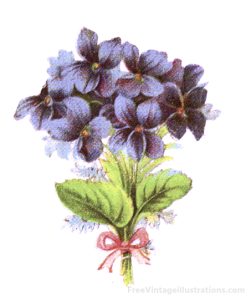
Jean-Pierre Barillet-Deschamps painting of Pansies
Pierre Joseph Redouté
Redouté Les Roses
Pierre Joseph Redouté – He painted more than those famous roses…
Redouté went from working for Marie-Antoinette to the patronage of Josephine Bonaparte in the new regime after the French Revolution.
His father and grandfather were painters, and he was a botanist as well as an artist, although not formally educated.
A small set of examples to overview Redouté’s botanical art.
Redouté painting
Redouté painting of violas
During the Age of Discovery, as explorers traveled throughout the world for the monarchs of Europe, plant discovery and collection became very important. Botanical illustrations recorded the new plant discoveries and there was a blossoming of publications catering to the desire of wealthy patrons to own paintings of the plants and flowers from the edges of the earth.
Vintage botanical illustration of tomatoes
Beautiful Wall Art
Botanical prints have been very popular for wall art. They have a continuation of style that makes them good for grouping, and the look of a single blossom or carefully chosen bouquet along with decorative script writing is attractive to modern eyes.
Mary Grierson In 1960 a woman applied for the post of exhibitions officer at the Royal Botanic Gardens at Kew. She did not get the job, but was able to show her interviewers her portfolio of flower paintings, and was engaged instead as an artist in the herbarium.
Watercolor Flower Artist
One of my newest favorite artists is Tracy Hall. You can see her watercolors on her blog– she is most famous for her animal portraiture, but is equally adept at capturing birds and plants.
Anyway, it is she that recommended this book on watercolor technique especially in painting flowers. (And do check out Tracy’s blog)
Complete breakdown of the process of making fine art botanical illustrations.
While I think cats are cute, too, I definitely have a preference for puppies. So, I like cute dog designs and that is what I am creating more of in my POD stores. This is a fairly new endeavor of mine which began when I invested in more design resources. As an artist I didn’t spend much time drawing animals, mostly plants or people. Now, I am putting together some of the types of things I would like to buy; for others to enjoy as well.
Artists
I have so many more ideas to complete that it will take me far into this year to cover the dog breeds and make interesting artwork around them. Right now, it is still experimental. I have to keep in mind what others like, not necessarily what pleases just me. That is a lot like buying Christmas or birthday gifts: cater to the person that you hope to please. A very different perspective than most artists have in their training.
There is an artificial divide in the professional art sector. It can be between crafts and art, or between graphic art and fine art, but there is a lapover that makes it sort of silly to think that way. It probably makes sense in certain situations, but I think it tends to under-rate those who work commercially. Likewise, it adds a bias to artists who feel that the business side of making a living from their art somehow cheapens it.
I think it is up to the artist to decide which pathway and expression is best for them. And no matter what you call your work, it is important to try to make it pay for itself. Marketing and self promotion are a large part of that, like it or not.
Such efforts aren’t totally in self interest. because there are people who value the joy and beauty of what an artist or craftsman creates. It only makes sense to advertise it to those who are seeking to purchase it. Again, it is a strange perspective that creators have when they believe if they make it, people will find it. Our material society just has too much clamor in the marketplace.
Oh Yes, Dog Designs
Getting back to the main topic. One of the great things about how POD + Creatives work together is that you can choose to buy resources that other artists make, and put them together to make a new artwork. Additionally, placing this on products in a way that pleases and makes sense.
One of the things I like about creating these designs featuring dog breeds is the chance to spark joy. That idea translates from my de-cluttering efforts and applies to many areas of life including the business of creating. Those of us who like dogs, and especially certain favorites breeds, often feel joy when seeing them depicted on a tshirt or a picture on the wall.
Two Dog Designs I Have On Merch
Corgi
Vizsla
I like Corgis because they are just so cute. I am looking to buy a Corgi puppy this year. Being very particular about the type of dog that fits in our lifestyle and personalities, I am looking for a certain breed. In the past we usually had a Lab or Lab mix. My favorite dog is a Great Pyrenees, but I don’t believe I should get another if I am not going to stay on a large property. Loving the breed so much means I might be making some artwork featuring them.
The Vizsla is a Hungarian breed. Owners love them because of their very affectionate disposition. They are hunting dogs for active people. I think they look adorable, but I would not be the ideal owner for this breed.
We can love them even if we wouldn’t be best owning them!
I am a cold climate person... was born and lived with cold winters all my life. One of the things that freezing temperatures highlight is the comfort of a fireplace. Whether it includes the view of the fire or not, radiant heat of a real fire is supremely cozy and enjoyable. We borrow that feeling when thinking of building relationships with others: the fireside chat. Or we picture the security we feel when sitting by a warm fire while the cruel weather wails and blows outside our window.
It is a page of features and descriptions highlighting my work online for the past decade and more. Sometimes it is hard to believe that I have been writing and contributing to the worldwide web for that long.
I have shared myself, warts and all, online and during the process managed to make friendships with people who I have a genuine affection for. I suppose we doubt that this is possible, or as real as "in person" relationships, but I am reminded of those of Victorian times correspondence. Or more recently, of those we were "penpals" with in the not so distant era of my childhood.
It is different when relating long distance, but no less warm.
I don't think it is better, nor can it replace our physical relationships of family and friends, but I recognize its reality and importance.
Mantles, The Vestiges of a Hearth
I have always enjoyed the look of a fireplace, and in my youth ( during the fifties and sixties) we usually had the fireplace without the fire. Usually a defunct gas fireplace that was no longer in use with a very decorative architectural element of a mantled opening in the wall. We might have had a picture or mirror overhead; and always had decorative objects on the mantle itself.
It was a strange thing to have the shell of what was once the center of a room, but no longer the use or the warmth of it.
Then, the Fire, but not the Mantle
After the energy crisis of the seventies, I had woodburning stoves. These are energy efficient fireplaces that are closed, so you don't see the fire and they have no mantles.
The decoration is gone, but the substance of the fire is magnified for a delightful radiant heat experience that is more and more desirable as the cold of winter rages outdoors.Â
Fitting a Woodburner into an Old Gas Fireplace
The details on how we did this was as follows:
First we hired an expert in Rumford fireplaces. He rebuilt the inner part of the chimney to accomodate a wood fire.
We lined the chimney with a chimney pipe for the next step.
We then purchased an airtight woodburning stove. This was connected to the inner chimney pipe.
This stove had glass inserts to view the fire, but was rather small. It provided wonderful supplemental heat and made a precedent for the large stove that is the primary heat for our present home.
Nothing feels better on chilly days than to stand close to the comfort that emanates from its iron body to your fleshly one.
I do miss the mantle. It graces a room in a way that is hard to replicate otherwise. But given the choice of necessity, I am content to do without, so as to have the real heating properties of a stove. A fireplace, even with a crackling fire is often too drafty to provide needed warmth. It is more a psychological enjoyment of the sight of the fire, which is a delight to the eye without any benefit to the bones.
Rambling On To An Eventual Point
Loosely, I am celebrating creature comforts and taking pleasure in simple things. Just as loosely, I am following a metaphor to our relationships in life.
We build our relationships around what we believe we need. They can be culturally constructed in ways that might derive from necessity or perhaps are gutted by social traditions. Experience sometimes teaches us their value or the way in which they must change.
At times we may even believe we no longer need them as a central focus for our life. I wonder, though, whether the fireside pictures for us the wisdom or folly of our perceptions?
My family also uses Amazon Prime often, which saves us money on shipping and more.
Please support my site by using my links, thank you. This Page may contain affiliate links. “As an Amazon Associate I earn from qualifying purchases”


 A rare look at her needlework art