First thing, and don’t let it scare you, is that the next time you roast a chicken you need to save a little of the chicken fat. That ingredient is also known as schmaltz, which you can make from scratch and keep on hand.
Don’t worry if you don’t have any on hand, or if you decide against it, you can still bake this lovely breakfast bread. Just know that the chicken fat adds a certain “je ne sais quoi pas” that is fabulous. Know that it can add flavor to noodles and vegetables, too.
It will feed a family of 6, unless they are swept away by your wonderful home baking talents and gobble more than their fair share.
As with all recipes, you can substitute the fat that you feel best using, add the raisins or not, etc. but if you want the authentically delicious taste, stick with the recipe.
Yeast Raised -Approximate Cook Time
Prep time: 3 hours 30 min Cook time: 1 hour
Ready in: 4 hours 30 min Yields: 6 people
Ingredients
5 cups Flour, Sifted
1 Tbsp. Sugar
Small amount Water, heated
1 package Yeast
1 Tbsp. Chicken Fat, melted
1/2 lb. Butter
1/2 stick Margarine (or butter)
3/4 cup Sugar
1 tsp. Salt
1 Rind of Lemon, grated
3-4 Egg Yolks
1/4 tsp. Vanilla
2 cups Golden Seedless Raisins
2 cups Warm Milk
Cinnamon and Sugar, Mixture
Place flour in a large bowl and make a hole in the middle.
Add yeast, sugar, and warm water in center to activate the yeast. Let stand 1/2 hour.
Cut up butter, margarine and add chicken schmaltz. Then add to flour mixture with the 3/4 cup sugar, salt, lemon rind, vanilla, egg yolks, and warm milk.
Knead until bubbles appear.
Let dough rest until it rises.
While waiting for dough to rise, soak raisins in some hot water for about an hour. Squeeze out water and then add to risen dough.
Then knead dough well. Allow dough to rest.
Preheat oven to 350 degrees.
Grease a large tube pan (angel food cake pan).
Divide dough into 2 pieces shaped into balls. Roll out each like thick pie dough, sprinkle with cinnamon sugar and roll up tightly.
Twist each into a rope, braid together, then spiral into the angel food pan.
Allow to rise for final time in the pan, then bake for an hour at 350 degrees.
Oma’s Tube Pan Breakfast Coffee Cake
German cooking has a layover with Eastern European countries such as Hungary, and Czech Republic. Certain cooking techniques are common to many cuisines, thus this video will be a great guide.
Another Name For This Coffee Cake
German’s call this type of cake Kugelhoph
More eggs, less fat, and I love Oma’s helpful tips.
My grandmother’s recipe has more shortening and is a rolled dough, rather than a soft batter cake.
You may notice in some of the old recipes that the amount of eggs and fat can seem more than what you are used to. I think many of the changes came about when sugar was not so dear, and before the large amounts of egg and fat became frowned upon.
Speaking of fat, many older recipes called for lard, and until recently that was the preferred shortening for pie crust. It is still considered more a more flavorsome ingredient than vegetable fats.
When I was first cooking in the sixties and seventies, you find “Oleo” or margarine is widely called for. This is no longer considered a more healthy choice, and I haven’t bought margarine in years.
If you want a healthier diet the answer is probably to take much smaller portions of the carb-laden cakes and add fruits to bring out full flavor, make it more filling and satisfying. I am of the opinion that it isn’t cutting out desserts, but cutting down amounts that is the answer. Maybe that is a cop-out because I love them so much.
European Directions for Similar Coffee Cake
It is sometimes confusing when switching from European to English measures (and vice versa). Yet many solutions online make the process easier.
Using Bundt Pans for Coffee Cakes
Many coffee cakes are simply baked in square pans, but if you have a larger recipe like this one a bundt pan gives a much prettier presentation. In line with the original intent of serving a simple delicious sweet when company drops by, makes this pan a real boon to the baker.
While there are variations in form, most have a decorative shape with a central opening. This center circle is perfect for some flavored whipped cream! Or simply dust the finished, cooled cake with confectioners sugar.
Bundt forms have some beautiful curves for drizzles and glazes, too.
Don’t underestimate how this shape will add to the tempting look of your cake.
Fat In Your Diet
People who give you Hungarian recipes so often say, “It isn’t for dieters” or tell you it is unhealthy in some way. The recipes do traditionally incorporate plenty of dairy and fat, usually in the form of sour cream and butter. But also with nuts and eggs, etc.
The new nutritional information that is transforming what we know about healthy diets is that fat is no longer the bad guy.
Usually what we need to watch out for is the modern inclusion of antibiotic and hormones, along with other things that are so different from our grandmother’s food sources; things that cause inflammation in our bodies. Some fats are necessary and they certainly are a source of flavor that make the foods more satisfying to our appetite.
What are you going to do? Tailor your diet to your own health needs, and use the best nutritional information available.
I remember a special jar to save bacon drippings that was always in my mother’s and grandmother’s kitchen. I don’t do that, but I think the idea of using schmaltz might have a place in my cooking future. Jewish cooking often includes it. It is what makes the difference between plain old noodles and delicious noodles, for me.
Franz Liszt, was born October 22, 1811 in Raiding, near Sopron, Hungary in the Austro-Hungarian Empire. His father worked at the court of Count Esterházy, and gave him his first music lessons. He became an established concert performer by 12 years old, a prodigy. The Austro-Hungarian nobility gave him opportunities to study abroad and as a result his Hungarian language skills were poor, and French was his preferred language. In Vienna, on December 1,1822, he made his first appearance beginning his career as a Hungarian virtuoso pianist and composer.
Carl Czerny had taught him, Chopin and Camille Saint-Saëns were his friends, he is said to have performed for Ludwig van Beethoven. Hector Berlioz, Robert Schumann, and Richard Wagner were proteges and his daughter married Wagner. He lived in a time of great musical creativity and added his own genius to the fermenting mix of Romanticism.
He lived in the Romantic Age, when emotions were considered paramount. Whether this affected his relationships is unknown, but he did have numerous affairs, with a tumultuous personal life.
Liszt’s piano compositions are among the most technically challenging. He invented the term ‘Sinfonische Dichtung’ (symphonic poem) for orchestral works. History has recorded his great works and prestige as a performer, even though there were those who criticized and did not acclaim him during his life.
In 1861, he went to Rome, where he concentrated on religious works, and teaching. His last appearance was at the concert of the Musical Society of Luxembourg. His death occurred on July 31, 1886, at age 74.
Heard of Lisztmania? Read on and listen to the music…
Biography and Music
Portrait of Franz Liszt 1839
young Franz Liszt
Teacher of Great Musicians
after a bout of Lisztomania took place, Liszt taught others
It has been said that Liszt passed through six lives.
(1) he lived the life of a precocious and much loved child
(2) in Paris he plumbed the depths of a romantic idealism and lost reputation, but linked destiny with other great men and composers.
(3) lived with the Comtesse d Agoult for five years following the “Bohemian” life and performing to great adulation. See “Lisztomania” not unlike Beatlemania.
(4) became hailed in Europe as a virtuoso
(5) he settled in Weimer to live industriously as an supporter of art and music, becoming a church cleric.
(6) ended his life by traveling between Rome, Budapest and Weimer, eventually dieing July 31, 1886, at age 74
The Emperor Napoleon appointed him to be a Commandeur of the Legion of Honour and in 1871 the Hungarian Cabinet invested him a rank of nobility in Hungary with a yearly pension.
During his old age he lived at Weimar surrounded by his pupils.
He became known as a teacher of great musicians through his work in Weimer, where he mentored Wagner, Berlioz, Schumann and Schubert.
Walker, Alan. Franz Liszt: The Final Years, 1861-86 v. 3, 1861-1886. Cornell, 1996 v.3 p.169
Franz Liszt Compositions – You will find his life story fascinating
Now you must bear in mind, in the first place, that he had never seen nor heard the sonata, and in the second place that it was a sonata with a violin part, now above, now below, independent of the piano part. And what does Liszt do? He plays the whole thing, root and branch, violin and piano, nay, more, for he played fuller, more broadly. The violin got its due right in the middle of the piano part. He was literally over the whole piano at once, without missing a note, and how did he play! With grandeur, beauty, genius, unique comprehension. I think I laughed-laughed like an idiot. -Edvard Grieg
It is hard to imagine the emotional fanaticism that Franz Liszt inspired in his time. If one witnessed Beatlemania at its height one may have an inkling. Yet, here was one man whose musicianship and artistry transported crowds of people frenzied into mass hysteria.
Lisztomania
The writer Heinrich Heine coined the term Lisztomania to describe the outpouring of emotion that accompanied Liszt and his performances.
“Liszt’s playing was reported to raise the mood of the audience to a level of mystical ecstasy”
[Find out more]
Liszt Says
Quotable
As the mother teaches her children how to express themselves in their language, so one Gypsy musician teaches the other. They have never shown any need for notation.- Franz Liszt
Beware of missing chances; otherwise it may be altogether too late some day.- Franz Liszt
In Hungary all native music, in its origin, is divided naturally into melody destined for song or melody for the dance.- Franz Liszt
Supreme serenity still remains the Ideal of great Art. The shapes and transitory forms of life are but stages toward this Ideal, which Christ’s religion illuminates with His divine light.- Franz Liszt
You cannot imagine how it spoils one to have been a child prodigy- Franz Liszt
During what time do we find the Romantic era? From the 1770’s to about 1870.
“An artistic, literary and intellectual movement that originated in the second half of the 18th century in Europe”, this period of time imprinted its philosophy on many composers and artists we admire and enjoy today, despite the modern rejection of many of the ideas that inspired their works.
The time was rooted in the German Sturm und Drang movement, and an earmark of it was the intense emotion and elevation of emotion in expressions both abstract and pragmatic, such as the political. It was the age of Byron, of heroes and anti-heroes, and the sum of it was expressed by Charles Baudelaire: “Romanticism is precisely situated neither in choice of subject nor exact truth, but in the way of feeling.”
[wikipedia article]
The Most Important Thing
Liszt is probably most highly acclaimed for his piano transcriptions. He transcribed Paganini’s capriccios which contained almost impossible difficulties.His Career and Musical Works, Article at Classical.net
Hans Christian Anderson
Said of Liszt,”The whole instrument appears to be changed into a great orchestra.”
Liszt
Comtesse Charles d’Agoult, née Marie d’Agoult, and Her Daughter Claire d’Agoult 1849, pencil heightened with white and touches of yellow watercolor
The Women in His Life
The Countess Marie d’Agoult was the mother of his children and helped nurture his time of greatest creativity and fame. Liszt began his relationship with her in 1833. “She was said to be ”six inches of ice over twenty feet of lava”.” The Russian Princess, Princess Carolyne Sayn-Wittgenstein, met him in 1847. It was his longterm relationship with her that endured through the end of his life
His daughter, Cosima Wagner born Francesca Gaetana Cosima Liszt, resented her absentee father. She married German composer Richard Wagner.
“I carry a deep sadness of the heart which must now and then break out in sound.”
A Calla Lily Wedding Featuring Most Popular Flower Choice
Why do Brides choose Calla lilies most often for their wedding flowers? Only the Bride herself can tell you precisely why it was the most favored choice for her, but it isn’t hard to see numerous reasons that make Calla lilies the number one wedding flower choice.
If you are thinking of featuring Calla lilies in your wedding, here are decor and flower ideas to give you a head start. Make your wedding flower selection a happy part of the best day in your life.
The Most Popular Choice for Good Reason
The blooms have presence; just a few make a statement. The simple curved shape of the spathe (the part most evident) is very modern in form.
Why are Callas First on the Wedding Flower List?
The blooms are extremely elegant. A smooth modern form, creamy white color or subtle tints, and their long stalk make them sublime for wedding flower use.
A Calla lily is an all season flower, available at any time of the year. They are also all season in their look, not being identified strongly with any certain month like peonies or chrysanthemums. But they are at their best in winter, when other choices are scarce.
A versatile flower that can be incorporated within all of the wedding flower arrangements and uses, whether it be bouquets or centerpieces.
Creating Ambience for a Calla Lily Wedding
Elegant table centerpieces or floral accents
More Reasons To Choose a Calla Winter Theme
Top of the list for the most popular, most available, and most versatile flower for weddings.
They have a distinctive appearance, and their strong lines are best paired with foliage or flowers that echo the simple curved lines of the flower.
Bear grass is a classic foliage pairing.
When Simplicity Is Important
alt=”Whenever a brides taste was for artistic, modern, and simple, a few stems created just the right effect. Vintage Wedding, Bride and Groom, Newlyweds Postcard “
Sophisticated Bouquet
In the classic white bouquet, only a few will be needed with some floral accents and variegated foliage. It creates a fresh and artistic flower bouquet that won’t look fussy or “over the top”
The Look
One reason that Brides love this flower is the elegant, curvilinear shape of the blooms.
Just a few of the flowers can make a beautiful statement, and I helped set up a wedding reception that had simple arrangements of three calla lilies each in a tall, clear, modern vase with only a few strands of bear grass. Each table was set off magnificently, and the simple arrangements made quite a statement.
Beautiful Colors
These blooms come in some of the most delicious colors, and always look tasteful.
A Bride’s bouquet of white can be echoed with the attendants having the same flower shape of callas with the nuance of the wedding colors in their bouquets.
Or the bridal bouquet can be the color of one of the several that make Calla lilies so sophisticated. Calla lilies come in Pinks, Lavenders, Eggplant, Orange, Peach, Yellow, and Bi-colors.
Different Sizes
They also come in mini sizes. That is enough variety to cover bridesmaids, flower girls, boutonnieres, Mother’s corsages, and every other wedding flower arrangement. No wonder Calla lily is a top choice for wedding flowers.
The Perfect Boutonniere
Colors of crisp green and mellow orange
Why Choose One Elegant Flower for Your Entire Wedding?
Availability is just one of the reasons to go with this for your bridal flowers. Ease of design, and an eye on the budget are two more factors in favor of this theme.
Available Online
Ordered online, fresh and direct, have a buckets of water ready to submerse and ready your flowers for arrangements, if you are making D-I-Y wedding flowers.
I have worked with these, and they are easy and outstanding in effect.
For Fall Weddings
Seasonal Flower Availability
There is no “off-season” for Calla lilies, so simply remember to order at least four weeks in advance of your event, ensuring the type and color of your chosen flowers.
If other flowers are used with them, be sure florists can as easily obtain those materials as well. Check with the month listed in my Wedding Flower link, for flowers in season. Choosing flowers that are available to florists will keep costs down and make sure that your planned blossoms are obtainable.
Theme Flower Versatility
Their beauty means that the shape is used in decorating many different types of accessories. Whether you wish your flower theme to be echoed in guestbooks, cake decorations, candles, or even decals on the wall, Calla lily designs are likely to be found.
About This Flower
Of the Zantedeschia genus the flower most often called and sold as the Calla lily is Zantedeschia aethiopica, which is also known as the arum lily. Other names? Trumpet lily and Pig lily.
Large, with white blooms, there are other types sold which have colors. All varieties with colorful flowers are other species of Zantedeschia. Most are not hardy north of Zone 7 or 8, but Z. aethiopica may survive in zone 6.
Native to South Africa, the plants grow in marshes close to bodies of water.
Comes in Colors!
Blooms for any Month
The Right Flowers For Your Wedding Month, Available … Have you wondered which flowers are available in the month of your wedding? Check these flower listings to find what’s fresh, which fulfill your color scheme, and floral tips,
From Budget Saving to Designs that will Wow
Take a look at wedding flower idea books, they will inspire you.
If ‘how to’ or just inspiration is needed a flower design book is going to save time and money in figuring which flowers to pick, and how to use them.
Besides the Fresh Flowers, Bridal Accessories
With the many accessories in this motif, there are an array of ways to tie together the theme of everything in the wedding décor.
Wedding Accessories with Flair – Gala Calla Event
Lovely bouquet
Make the Favors Special – Arum Lily designs fit into any Décor
Make your wedding one to remember, with favors that remind your guests of your joy, and grace their homes with an elegant candle holder.
One way to use these is as table décor. Lighting the reception tables, include notes on the tables which invite your guests to take one home. Save the attractive boxes for your guests to transport their lovely votive holders home. Such a lovely reminder of a perfect wedding!
Beauty
Even a single bloom is stunning
Your guests will know they stepped into a special time and place from the very beginning. Greet them with the elegance of Calla-decorated accessories repeating the swirling curved theme of your floral choice.
Easy to Make Your Own
Bouquets for attendants, the Bride, and the table, all are easy and possible to make yourself (or a friend can do it, you have enough to take care of!)
Bouquet How-To Tutorial
Corsage Instruction
Meaning and Symbolism
Two ways of denoting meaning through the inclusion of certain flowers are by consulting a “Language of Flowers” Victorian resource and also by the modern cultural connotation.
The usual color of an arum lily (another name for them) is white, and that is the color chosen for weddings because it represent innocence and purity. The Victorian meaning for the flower was “Magnificent Beauty”. Combine the two meanings and there is a symbol for Innocent, or Pure Beauty, which is very appropriate for a wedding day.
When colors vary from white, the emotional meaning of color comes into the picture. Red is connected with passion, Orange is playfulness and happiness, Pink is feminine, and Yellow is cheer and sunshine. For some, the colors may carry other meanings, and it is a good idea to investigate how people in your culture (or one you marry into) may feel about a specific hue.
Because of its long association with marriage in our culture, another significance is to wish for “marital bliss”, “true devotion”.
It is good reason to center décor around this stylish flower.
From Tip to Toe
Right from the start with the save-the-date to the final day with nail art as a finishing touch, the form of this flower can adorn all parts of the celebration.
The Bride’s Bouquet
A More Modern Look
Because this flower is so elegant it is chosen for a decoration on many wedding items, such as pens, guestbooks, favors, wedding goblets, and candles, to just name a few. Every accessory possible seems to come with the calla motif.
It gives a look that is modern or traditional. It was a favored flower during the roaring twenties and is just as popular today.
It was delightful to see how easy it is to carry this theme throughout the wedding and reception venue. Seamlessly transitioning from table to guestbook areas, highlighting the bridal table, decorating the Church, it is no wonder this is the one most popular wedding flower rivaling even the traditional rose.
The lines of this flower, its ability to stand alone (two flowers in a vase make a statement) create a modern, sophisticated mood.
Bridal Photo Vignette
bridal vignette
Simplicity
The simplicity of the Calla lily and long lasting bloom means they have an air of formality for the most grand of weddings, but their simple lines are also ideal for casual or modern weddings.
Continue The Theme Into The Cake Decoration
Calla Lily Wedding – From Bouquets To Sugar Paste Cake Flowers
Learn how to make the Calla lily a part of your wedding celebration- here are some ideas and how-to videos. If you aren’t a d-i-y person, let the design ideas illustrate what you wish in a cake or bouquet.
Choose flowers that are in season to get the best prices.
Discover Which Flowers Are in Season for Your Wedding!
Every month has its own seasonal flowers. To obtain the most beautiful, fresh, and affordable flowers, it helps to know what is readily available for your bridal month.
Flowers are one of the more expensive wedding purchases aside from the wedding venue and food costs. These arrangements add to the beauty of a wedding while also wafting a lovely fragrance and natural ambiance to the entire scene. How do you choose what flowers to use to convey the mood you want to set?
How to Make the Best Flower Choice
Look at the months you are considering for your wedding date.
Consider the colors of your wedding theme.
Brainstorm your favorite flowers that you'd like to include.
Make your choice from the readily available blooms for that time of year.
The Ultimate Wedding Flower Guide
Flower Availability by Season
What Flowers Symbolize Months?
Wedding Floral Styles
List of Blooms by Color
Floral Color Trends
Popular Flower Color Schemes
Using Flowers to Create a Wedding Theme
Classic Wedding Hues
Tussy Mussy for Mothers
Video: How to Make a Modern Bouquet
Video: How to Arrange a Traditional Arrangement
wedding flowers for each month
Flowers for Each Month of the Year
Many flowers are available year-round, but even with the worldwide growers and fast shipping currently in existence, some blooms still remain seasonal.
Flowers Available During All Seasons
Roses
Anthuriums
Orchids
Tropical flowers
Lilies
Gerberas daisies
General Flower Guidelines for Each Season
1. Winter Weddings: December, January, February
Many of the classic blossoms are available. They may be combined with surprising elements such as evergreen foliage, berries, or sparkling baubles. The resulting look is most often an elegant one.
2. Spring Weddings: March, April, May
Refer to the table for blooms available in the spring. Some are only available then, like peonies.
3. Summer Weddings: June, July, August
As you might expect, this season offers the most choices, from Astrantias to Viburnums and multitudes in between. The colors range from light to bright and include some rich, deep tones.
4. Fall Weddings: September, October, November
During this time, berries, flowers in richer and brighter colors, and harvest themes abound.
Tips to Choose the Best Flowers for Your Wedding
Tulips are at their best quality and pricing in February.
Lilacs are in season in the spring. Don't expect them during other seasons.
Hydrangeas are in season during the summer. You could still access them during the other seasons, but you'll be working with inferior blooms.
Gardenias will brown or bruise very easily from any physical contact.
Callas are sensitive to cold temperatures and can suffer from frost damage. They tolerate the heat well because they retain moisture efficiently.
Lily of the valley can be very expensive, and their availability is usually limited to May.
Stephanotis, or Madagascar Jasmine, is extremely delicate.
Floral Availability by Season
March, April, May
June, July, August
September, October, November
December, January, February
Lily of the Valley
Asiatic lily
Physalis
Ranunculus
Peonies
Black-eyed Susan
Amaryllis
Gerbera daisies
Tulips
Cosmos
Bittersweet
Tulips
Hyacinths
Delphiniums
Hydrangea
Calla lilies
Mophead Hydrangea
Gladioli
Roses
Anemones
Cherry blossom
Columbine
Sugar Maple (foliage)
Kangaroo paw
Columbine
Larkspur
Sunflower
Gloriosa lilies
Lilac
Pee Gee Hydrangea
Scabiosa
Chrysanthemums
Poppy
Garden Roses
Gerberas
Roses
Ranunculus
Clematis
Mums
Cymbidium orchids
Rose
Cockscomb
Freesia
Daisy
Violet
Sunflower
Zinnia
Winter has best choice & prices on cymbidium orchids
Wedding flowers for each month
What Flowers Symbolize What Months?
Many fresh flowers are chosen for their meanings. Ever since Kate Middleton became the Duchess of Cambridge, the Countess of Strathearn, and Baroness Carrickfergus, flower meanings have become much more a part of modern wedding flower choices.
If you don't want to go by traditional flower meanings, another way to choose them would be to combine "birth month flowers."
Blooms of Your Birth Month
January: The Carnation
February: The Violet
March: The Daffodil
April: The Daisy
May: The Lily
June: The Rose
July: The Delphinium
August: The Gladiolus
September: The Aster
October: The Orchid
November: The Chrysanthemum
December: The Narcissus
Roses And Vanda Orchids for Any Month
Pick Floral Materials for Your Style
According to experts, 95 percent of wedding bouquets are hand-tied. Besides the actual flowers, materials you might use to create bouquets and centerpiece arrangements are the following: visual accents, ribbons, and wire. Here are different floral styles you can try.
1. Glamorous
In these bouquets, the flowers are bunched together. Then, the stems are wrapped in a wide satin ribbon. Brides who wish for glamorous bouquets can choose beads, jeweled pins, rhinestone picks, pearls, and decorated ribbons (sometimes with monograms) to adorn the plain ribbon-wrapped base.
2. Rustic And Natural
Beach and garden themes, which continue to be quite popular, have a more rustic and natural look. Rustic elements include shells, starfish, feathers, sand dollars, berries, twigs, or pinecones worked into the arrangement.
3. Elegant
The rose, an elegant bouquet flower, reigns as queen in the floral shop as she does in the garden. Trendier flower choices are lilies, full-blown peonies, romantic hydrangeas, tulips, and elegant orchids.
4. Farm Girl Sweet
The just-picked casual look of loosely arranged flowers is increasingly replacing the tightly-bound bouquet shapes. The vivid flower colors in both wedding colors and flowers are continuing to grow in popularity.
Delicate Hues for a Spring or Early Summer Wedding: Fresh Flowers Decorate a Special Spring Wedding Cake.
Romantic Pink and Pearls
A List of Wedding Blooms by Color
1. Red Wedding Flowers
Anthuriums
Gerberas
Freesias
Tulips
Alstroemeria
Rose
Calla lilies
Amaryllis
Heliconia
2. Pink Wedding Flowers
Gerberas
Freesias
Tulips
Alstroemeria
Rose
Calla lilies
Amaryllis
'Stargazer' lilies
Lisianthus
Cymbidium orchid
Nerine
3. White Wedding Flowers
Lily of the Valley
Peonies
Tulips
Hyacinths
Rose
Freesia
Calla lilies
Stephanotis
Lilac
Amaryllis
Lisianthus
Stars of Bethlehem
4. Yellow Wedding Flowers
Gerberas
Freesias
Tulips
Lilies
Rose
Calla lilies
Amaryllis
Daffodils
Sunflowers
Coreopsis
Marguerites
Chrysanthemums
Blue Hydrangea and White Astrantia Brides Bouquet: Soft as the first day of summer, this is mainly made of two contrasting flower choices with graceful Bear's grass. Perfect for semi-formal or outdoor weddings.
5. Blue Wedding Flowers
Anemones
Freesias
Hydrangeas
Hyacinths
Delphiniums
Statice
Veronica
Sea Holly
Nigella
Sweet Pea
Pansies
Muscari
Iris
Tweedia
6. Purple Wedding Flowers
Lisianthus
Anemones
Freesias
Hydrangeas
Hyacinths
Statice
Veronica
Sweet peas
Pansies
Iris
Vanda orchids
Orchids
Tulip
Stocks
Lilacs
Eggplant Calla lily
Dahlias
Scabiosa
Violets
7. Orange Wedding Flowers
Gerberas
Freesias
Tulips
Lilies
Roses
Mango Calla lily
Birds of Paradise
Sunflowers
Gloriosa daisies
Marguerites
Chrysanthemums
Spider protea
Kniphofia
Physalis
Dahlias
Wedding Flower Trends: Green and Gingham
What Colors Are Trending for Weddings?
One of the top trends for weddings is mint green, with centerpieces and even bouquets incorporating succulents to create a subtle mint green palette.
The newest colors are fresh pastels and, of course, gorgeous red.
Experiment with colors that are dusty and reminiscent of an old-fashioned era. Examples are dusty pear green, light tangerine, light aqua, or gold, matched up with gray, chestnut, or beige (the muted, subtle, and tender colors).
Chocolate brown or black paired with bright jewel tones, turquoises, and pinks will still be a popular palette.
Teal and purple make a stunning pair—think peacock feather colors. The trendy addition of succulents to a bridal bouquet lends harmonious shades to a bouquet for this palette.
Consult the Pantone color choices since your bridesmaids' dresses and other purchases will follow those color trends. I use Pantone color trends regularly when designing wedding stationery to provide a foolproof way to match hues to bridesmaid dresses and other important sources of a color theme. Take swatches along when consulting with a florist.
It is possible to have a completely coordinated look for everything, from the bridal party flowers to the table settings. Think about which flower colors will complement the colors you choose for your wedding theme.
Popular Wedding Combos - Trends by Season:
Sunflower Bouquet
Wedding Flowers in classic red and white
Wedding Flowers in pink, red, and white
Wedding Flowers with a Wildflower theme
Popular Wedding Combos – Trends by Season: Lilac and Mint Combo on Flickr
Popular Flower Color Schemes
Here are some popular color themes for different seasons. I have chosen some floral material suggestions to create your chosen color combination.
1. Winter
All-White Wedding: The bride won't be the only one wearing white. It'd be a stunning event.
Black and White: These two colors together create a very striking and formal look. There are no truly black flowers, but Calla lilies come in an almost black and creamy white, which may give you a tuxedo effect for all your flowers.
Blue and White: This is a classic combination that can easily be done in flowers. Simple and economical, blue hydrangeas are a lovely option to use to contrast with white roses.
Silver/Grey and White: This could be one of the best themes for gorgeous floral arrangements. There are many silver-foliaged plants are used by florists, and most of the traditional and fragrant blooms for weddings are white. Examples include Artemisia, Tuberose, Lily of the Valley, orchids, succulents, Lambs Ears (betony), and lavender foliage.
White and Navy Blue: Have a navy color theme? What looks more fresh and crisp than simple white calla lilies or sumptuous white roses? They are available in every month, too.
2. Spring
Celadon and Pink: Soft green foliage and the many shades of pink flowers available make this an easy floral theme to accomplish.
Robin's Egg Blue and Pink: Forget-me-nots or Cynoglossum create the right blue, while you can have your pick of pink roses, Callas, or peonies.
Lilac and Chocolate Brown: Cymbidium orchids come in brown, and lilac is found in many blossoms and other orchids. Dahlias come in both hues. Freesias also come in a beautiful lilac.
3. Summer
Mint Green: Mint leaves, variegated ivy, fresh white flowers, and even bells of Ireland keep the beauty of this hue going throughout the table arrangements.
Burnt Orange and Cranberry Red: Try this combination of delicious colors in autumn flowers like chrysanthemums, berries, red and orange roses, certain sunflowers, blanket flowers, and more!
Royal Blue and Sun Yellow: Irises have a beautiful royal blue color that you can accent with ribbons and dyed carnations. Sun yellow is one of nature's favorites— yellow daisies, mums, roses, Callas, and all sorts of choices can round out the wedding decor.
4. Fall
Chocolate Brown and Taupe: With this subtle color combo, a spark of bright color might be your accent. If you desire a completely muted look, just go for white flowers with silver foliage. Chocolate lace flowers make a delicate filler.
Burnt Orange and Chocolate Brown: Mums and sunflowers, gloriosa daisies, and Callas could deck out these themes.
Celadon and Chocolate Brown: Pair together the palest green foliage with green roses or carnations and preserved magnolia leaves.
Yellow and Chocolate Brown: Yellow and brown are two of the colors found in the always useful and elegant Callas.
Cascade of calla lily and roses in subtle purple and rose is lush and romantic
Very simple hydrangeas bring a bright spot of pastel green to the mocha brown dresses.
Old Fashioned Roses are a romantic choice.
White lily, Carnations, and Ornithogalum (Star of Bethlehem) bring variation of a pure white theme.
Cream white roses, berries, red foliage are gorgeous for winter bouquets.
Popular Wedding Color Combinations
Red
Pink
Blue
green
purple
Apple Red and Black
Hot Pink and Black
Diamond Blue and Coral
Peapod Green, Blue, and Mocha Brown
Warm Gray and Purple
Red and Blush Pink
Hot Pink and Navy
Lavender and Sky Blue
Olive, Hunter, Slate, White
Ivory, Lavender, Plum
Strawberry, Sugar, White, Gold
Gold, Mauve, and Blush Pink
Sky Blue, Light Coral Orange, and Light Yellow
Kiwi, Pink, Plum, Silver
Raspberry, Lavender, Ivory, Blush
Trendy and Popular Color Combinations for Weddings
Use Flowers to Create Your Wedding Theme!
Example: Calla Lilies
Sleek, elegant, unstated and sophisticated - no wonder Callas are the top choice for brides.
Calla lilies are popular not only for their graceful, elegant shape and variety of color choices but also because they are perennially available.
Whether you use fresh flowers or their representations, they can adorn all your decorations, from the bouquet to the guest books. It creates a very elegant and coordinated look to the ceremony and reception.
If you love Calla lilies, center your theme around them. They are the most popular of the nuptial blossoms. Carry a theme of the meaning of the flowers you choose into your choice of favors. In this case, Callas represent purity and faithfulness. Artists painted these blooms in their pictures of the Virgin Mary.
Wedding Flower Arrangement Advice: Autumn Orange Is Amazing
What Are Classic Wedding Hues?
You may not find all the colors of these popular wedding themes in a blossom, but use ribbons to tie up bouquets or accent floral displays.
Tiffany Blue
Aqua Blue
Teal Blue
Navy Blue
Pistachio Green
Honeysuckle Pink
Red
Orange
Purple
Chocolate/Mocha
Black and White
Color trends come and go, but there are perennial favorites that are always regarded as good colors for weddings. Any of them can be made fashionable when combined with accents and elements, such as metallics in silver, pewter, copper, or rose gold. Harmonies like Tiffany Blue and rose quartz create a variation on the newest themes.
Fresh flowers can be in the main color or an accent shade, and the metallic elements can be added with ribbons or jeweled pins instead of the typical pearl pins. Some flowers, like roses, come in such a wide array of colors they are included in almost every color theme.
A Tussy Mussy, Perhaps?
According to Trends, more and more mothers are carrying small posies instead of wearing the traditional corsage. Those small "posie" bouquets would be what used to be known as "Tussy-Mussy" bouquets.
Here is a suggested example of green colors from Martha Stewart:
"In a gilded cascade, beaded florets, strung by hand, glint like tiny holiday lights amid cymbidium orchids, bupleurum, gloriosa lilies, and lady's mantle; velvety gold-tipped cockscomb lend their own luster. The stems are wrapped in a wide gold band of satin ribbon and adorned with "something old": a starlike rhinestone brooch."
You’ve heard of the “Harvest moon”, but did you realize that many cultures had names for the moon each month, through the seasons?
Of course, the Native American tribes counted time with lunar cycles and had descriptive names,many people are aware of that. But so did most agricultural societies.
Even if their calender was ruled by the sun, the months -with their planting and husbandry cycles- were ruled by the moon. Today, we only use vestiges of those old designations when we speak of a “Harvest moon”,etc.
Once though, all the months had specific names for their full moons. It can tell you something of the culture and occupations of these older societies.
Ancient Cultures
ancient cave painting
Why did People Name Moons?
National Geographic explains it this way:
“For millennia, humans have used the movement of the moon to keep track of the passing year and set schedules for hunting, planting, and harvesting. Ancient cultures the world over have given these full moons names based on the behavior of the plants, animals, or weather during that month.”
It is easy to understand that concept as one reads through the monthly names, but did you know that some cultures had lunar time keeping while in the West we have a solar calendar? How did that happen?
The commonly used calendar today is one based on those of the Romans. We use the Gregorian one, introduced by Pope Gregory XIII in 1582. The intent was to improve on the Julian calendar. The Julian calendar began in 45 BC as a reform of the Roman calendar by Julius Caesar.
Trivia Facts About Lunar Time
Muslims use a lunar calendar of 12 lunar months in a year of 354 or 355 days.
Calculating Easter Sunday for Christians requires the knowledge of the full moon cycle. Easter Sunday is on the first Sunday after the first full moon after the Vernal Equinox.
What might be the oldest known lunar calendar :
“What could be the oldest lunar calendar ever created has been identified on the walls of the famous, prehistoric caves at Lascaux in France.
The interpretation that symbolic paintings, dating back 15,000 years, show the Moon going through its different phases comes from Dr Michael Rappenglueck, of the University of Munich. ” -Read more from the article, ‘Oldest lunar calendar identified’
Full Moon: Why Does It Happen? How Does It Affect Us? | Video What happens when the Sun Earth and Moon line up (in that order)? Do people (or animals) get crazy? Commit more crimes? The Moon always shows us the same face, but there’s only one instant when the Moon is truly “Full.”
We are no longer as in touch with natural rhythms as when more of our lives were centered around agricultural occupations of earlier times.
Even the more recent agricultural practices had distanced themselves from the need to forage and hunt wild animals for existence. So, when familiarizing oneself with the names that cultures attached to the full moons it becomes easy to imagine what it may have been like to be close to nature and observe the animals like buffalo or deer. Or to know which months were best for gathering berries important to the diet.
Not only imagining, but becoming more observant and in tune with how nature’s cycles can teach us.
How we may better garden, or eat fresh locally, the moon names can provide a guide to ancient rhythms of planting and harvesting.
We can eat strawberries any time of year if we don’t mind buying our supply from something grown halfway around the world, but if you want to gather wild from the woods, or buy locally produced berries…. which month do you expect to find them?
The Algonquin Indian culture could have told you when to find wild strawberries in the Northeastern USA .
Perhaps this knowledge is more fun than useful, but isn’t there a connection between how poorly we have husbanded the earth and our disconnect from it through modern lives and cultures?
Blue Moon
What is it? An extra moon in a season, a fourth full moon instead of the usual three.
When Is The Wolf Moon?
The Native Americans named a certain time of year after the wolf. Guess which month.
Trivia Pursuit of Moon Name Facts
The moon month names follow the type of society in which they are celled. Many of the old names are from hunter gatherer societies, as in the case of the Native Americans, while others are after the agrarian society concerns of seedtime and harvest.
In all cases there is a tie between the phases of nature and the procession of full moons throughout the year.
Some Appellations Coincide
January’s wolf moon is medieval English. The North Eastern American Indian also called the January full moon “wolf moon”. It was a time when the hungry wolves could be heard outside the camp.
February’s ice moon is of Celtic origin.
November: Snow or beaver moon?
“Snow moon” is a Medieval English label for this month.
While the name “Beaver moon” is Colonial American and Eastern Native American marking the best time to set beaver traps for the prized pelts.
For Some, Cultures Took Opposite Views
The Chinese called it the white moon,
To the Celts it was the dark moon.
Lunar Names
The Native American peoples tribes kept track of time by observing the seasons and lunar months. When dependent upon certain crops or animals, the full moon in that season might reflect such practices or observations. Consequently, for many people groups the names reflect important food information.
December: The Celts called this moon the cold moon…
…It was the Christmas moon to the Colonial Americans,
Bitter moon to the Chinese…
Every Algonquin tribe called the June full moon the “Strawberry Moon”.
Celts referred to the moon as ‘queen of the night’.
Moons of Native American Tribes
Tribes with Moon Clans include the Mohave, Ottawa, and Pueblo tribes. The North Eastern tribes marked the time through lunar months, and many of the names we know as Native American Moon names comes from these tribes.
Celtic People Followed a Lunar Calendar
Celtic peoples used the lunar calendar. The Gaelic word for month is Mios relating to the moon’s disk shape.
Autumn Months
September
Tribe name in parentheses when known.
Corn Moon
Harvest Moon
Song-time
Wine Moon
Autumn Moon (Cree)
Falling Leaves Moon (Ojibwe)
Leaves Turning Moon (Anishinaabe)
Moon of Brown Leaves (Lakota)
Yellow Leaf Moon (Assiniboine)
Gourd Moon (Catawba)
Nut Month (Cherokee, Eastern Band)
October
Hunter’s Moon
Travel Moon
Dying Grass Moon
Blood Moon
Seed-fall
Drying Rice Moon (Dakota)
Someone Stores Food Moon (Oneida)
November
Snow Moon
Dark Moon
Fog Moon
Beaver Moon
Mourning Moon
Blotmonath (Sacrifice Month)
Herbistmanoth (Harvest Month)
Mad Moon
Moon of Storms
Moon When Deer Shed Antlers
Trading
Falling Leaves
Early Farming Societies and Lunar Phases
Dating back to the Neolithic times, when farming became the prevailing mode to replace the hunter-gatherer lifestyle, the basic phases of the moon, especially relating to full and new moons, helped calculate seedtime and harvests.
Gaelic, a language of the Celts, is rooted in hearth and home, observing nature, including the features of each month’s full moon.
Winter Months
December
Cold Moon
Oak Moon
Wolf Moon
Long Night’s Moon
Aerra Geola (Month Before Yule)
Wintermonat (Winter Month)
Heilagmanoth (Holy Month)
Big Winter Moon
Moon of Popping Trees
Deer Shed Their Horns
January
Chaste Moon
Cold Moon
Disting Moon
Moon of Little Winter
Quiet Moon
Snow Moon
Wolf Moon
Strong Cold
February
Big Winter Moon
Horning Moon
Hunger Moon
Ice Moon
Red Cleansing Moon
Storm Moon
Sun Moon
Quickening Moon
Wild Moon
Chaste Moon Dark Red Calves
Trapper’s Moon
Midsummer Night Moon | Source: Larisa-K on Pixabay
The Spring Months
Full Moon Names
March
Sap Moon
Lenten Moon
Crow Moon
Crust Moon
Sugar Moon
Chaste Moon
Death Moon
Plow Moon
April
Sprouting Grass Moon
Fish Moon
Pink Moon
Seed Moon
Waking Moon
Budding Moon
May
Flower Moon
Corn Planting Moon
Milk Moon
Hare’s Moon
Mother’s Moon
Summer Months
June
Strawberry Moon
Rose Moon
Honey Moon
Hot Moon
Flower Moon
Bright time
July
Buck Moon
Thunder Moon
Hay Moon
Mead Moon
Horse-time
August
Full Red Moon
Green Corn Moon
Lightning Moon
Dog Moon
Fruit Moon
Arbitration-time
Phases Of The Moon
The BeautIful Face of a Fullmoon
“The moon was but a chin of gold
A night or two ago,
And now she turns her perfect face
Upon the world below.”
Emily Dickinson.
Moon Related Links – Moon names, facts, and inspirations
When the April blizzard hit that day, an indoor venue was a good thing! The tropical plants and the unique atmosphere of this Conservatory wedding made us all forget the stormy weather outdoors. We were in the perfect garden.
Well, no weddings are completely perfect, but my daughtercareful planning did make her wedding one of the most perfect ones I have ever attended. I played a small part, which makes me happy, but it was largely her exquisite taste and her choices that led to a delightful wedding for her, her husband, her family, and her guests.
I’d love to tell you about it and include some reasons why a conservatory wedding ceremony was such a wonderful experience for all of us.
Follow me into Franklin Park Conservatory for the full dream wedding story, and how it unfolded…
The Ceremony
The Ceremony
A Wedding Inside The Franklin Park Conservatory
Wedding in the Franklin Park Conservatory
…Amongst the art and the botanical plantings
If you would like to plan to have Franklin Park Conservatory as the venue for you wedding, what might you expect?
My daughter chose to hold the wedding ceremony at the Conservatory, while having her reception at another location. If she had held the reception at the Conservatory the requirements, at the time, were to use their catering, which is a fine choice for some, but we had a family friend who is a professional and wanted his talents to create the reception dinner.
There are a wide array of choices for wedding ceremonies and receptions at the Franklin Park Conservatory. Besides the Palm House where my daughter’s ceremony was held there are other areas such as “The Bride’s Garden”, “The Zen Terrace”, to cater to the needs of your particular plans.
To make a reservation for your wedding or for an appointment to visit the Conservatory, contact the Special Events Office at 614.645.1800
One of the very nice things about having a wedding in a botanic garden is the fact that the guests may wander around the conservatory exhibits afterward, and while wedding photographs are being taken. The areas for getting the wedding party ready were clean and worked well, even for a large size of attendants.
A wedding in a botanical garden has to be one of my favorite experiences, ever.
I thought it was elegant and had all the feel of a garden wedding with none of the weather risks (inside, of course- we had a freak April blizzard outside).
Table Decor for your Theme
We made our own floral and candle table decor for my daughter’s wedding. Hand constructed paper lantern shades for votive candles, safely snuggled in glass holders. Smaller glass votive holders placed randomly on the tables. Rose petals were strewn around each centerpiece.
It was a very romantic and lovely effect overall. However, it was quite labor intensive. The paper lanterns were made months ahead.
I gathered together various floral materials and arranged it in foam forms covered with moss.
Flowers and Decorations – mock-up of the planned table decorations
To ensure a good result, I made mock-ups of the centerpieces a month ahead. The photo below shows it on a placemat on my dining room table
Pre-wedding mock-up of the centerpiece arrangements
The Actual Wedding Guest Tables
The Actual Wedding Guest Tables
The above photo is the actual wedding table as it looked during the reception. When creating your own, look for Botanical Garden themed votive holders for your tables. Lovely votive holders will light up the tables and are simply elegant. Fern designs or mercury glass would be perfect for a garden theme, or a nature look. However, any that match your color scheme will bring that certain “something”.
My daughter made her own invitations, using red paper, handmade paper, thin red satin ribbons and her calligraphy. You may not want to complicate your plans with that much effort, instead use the artistry of the creations from Zazzle.
Large sized decorative trays can hold a floral design with candles are a pretty and eye-catching display. They will show up against the greenery and can be used to accent the ceremony area. Use between two and four decorated trays at a minimum.
When there are valuable plants, the conservatory may have rules against bringing in your own floral material. In that case, glass flowers, or such things with florist moss may be substituted; be sure to check with the wedding coordinator of your venue.
If real candles are not allowed, there are marvelous LED candles that are safe and look like the real thing.
Yards Of Gauze Netting
I bought yards of flowing gauzy material to match my daughter’s accent color and bridesmaids dresses, it was used to create a canopy as a focal point where the vows would take place.
That was all the decorating necessary for the ceremony, besides the flowers for the wedding party itself.
For The Guest Tables
Individual dish gardens with moss, some river rocks, and sprigs of flowers were centered with candles in lanterns for table centerpieces. The groom had painstakingly made the lanterns from handmade paper (purchased), and balsa wood framework.
Purchased lanterns could work for those who don’t feel “crafty”.
Glass votive holders safely contained the candle flame. The floors were strewn with rose petals from the flower girls, and the tables lighted dusted with petals, too.
I found an idea from a nieces wedding that would work well in a conservatory setting.Three simple calla lilies in clear glass vases for each table. A few sprays of bear grass to give grace It is a a simple as that, but created a showy table centerpiece.
The Brides Table
I made special floral arrangements for the Brides table which included optic light butterflies within a low arrangement of flowers in flowerbox-like containers. I used dressy looking red metallic ones, but rustic wooden types could work just as well, or golden bronze…depending on the theme of the wedding. The fiber optics give a little fantasy light to the atmosphere.
We held the reception in a different venue, while desiring to keep the conservatory feel to the space. In order to accomplish this, I had purchased large sized orchid plants and arranged them together on a table, with two large garden flower planters filled with big sprays of flowering branches and store-bought florist flowers.
Set up on inexpensive plaster pedestals, they gave lots of floral impact to the room. The planters were duct taped to the pedestals for stability, and then the tape was covered with Spanish moss. the planters were the lightweight resin which were filled with balls of chicken wire to hold the arranged flowers.
If the reception is held within a conservatory setting, it is probably unnecessary to have the extra flowers arrangements, the table centerpieces should be enough.
Potted Orchids for Conservatory Effect
Orchids at Franklin Park Conservatory
In our case, we were not able to have the reception at the conservatory, but wanted to carry out a similar effect. I purchased large orchid plants and created groupings near the wedding party table. The plus side of this is that the orchid plants can go home with you!
Add your florals to the card table
Particularly, be sure to add touches of your Conservatory Garden Wedding theme, in this case florals, in places that are often left undecorated. The guest book area or wedding guest good wishes bowl. Be creative.
Considerations for a Conservatory Wedding – The pros and cons of a wedding inside a conservatory
Pro: the many plants and foliage surrounding the event means less money needed to budget for flowers.
Con: in warmer months the temperature can feel less comfortable inside the greenhouse conditions of a Conservatory.
Pro: guests will enjoy walking around and seeing interesting things.
Con: your wedding might be booked back to back with another and you are hurried out by the staff. (this happened to us)
The wedding venue
A Conservatory Garden Wedding Any Time of Year
A conservatory harmonizes with many wedding themes, we had an Asian theme. It would work equally well with any culture, a garden themed wedding, modern, vintage Victorian, even Safari themed.
Rrwarr! It has the ambiance of being outdoors without the worry of fickle weather dampening the plans. We even had an April blizzard that day, so you can imagine what that might have done to any plans involving the outdoors. After all is said and done, the wedding in the conservatory is one that I think I will remember as the most beautiful I ever attended. In truth, not just because it was my daughter’s happy day (although I’m sure that has a little something to do with it).
My family also uses Amazon Prime often, which saves us money on shipping and more.
Please support my site by using my links, thank you. This Page may contain affiliate links. “As an Amazon Associate I earn from qualifying purchases”


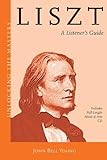
 Essays brought together in Franz Liszt and His World advance our understanding of the composer with fresh perspective.
  During what time do we find the Romantic era? From the 1770’s to about 1870.
“An artistic, literary and intellectual movement that originated in the second half of the 18th century in Europe”, this period of time imprinted its philosophy on many composers and artists we admire and enjoy today, despite the modern rejection of many of the ideas that inspired their works.
The time was rooted in the German Sturm und Drang movement, and an earmark of it was the intense emotion and elevation of emotion in expressions both abstract and pragmatic, such as the political. It was the age of Byron, of heroes and anti-heroes, and the sum of it was expressed by Charles Baudelaire: “Romanticism is precisely situated neither in choice of subject nor exact truth, but in the way of feeling.”
[wikipedia article]
During what time do we find the Romantic era? From the 1770’s to about 1870.
“An artistic, literary and intellectual movement that originated in the second half of the 18th century in Europe”, this period of time imprinted its philosophy on many composers and artists we admire and enjoy today, despite the modern rejection of many of the ideas that inspired their works.
The time was rooted in the German Sturm und Drang movement, and an earmark of it was the intense emotion and elevation of emotion in expressions both abstract and pragmatic, such as the political. It was the age of Byron, of heroes and anti-heroes, and the sum of it was expressed by Charles Baudelaire: “Romanticism is precisely situated neither in choice of subject nor exact truth, but in the way of feeling.”
[wikipedia article]


 I use Pantone color trends regularly when designing wedding stationery to provide a foolproof way to match hues to bridesmaid dresses and other important sources of a color theme. Take swatches along when consulting with a florist.




 A design that matches the love of